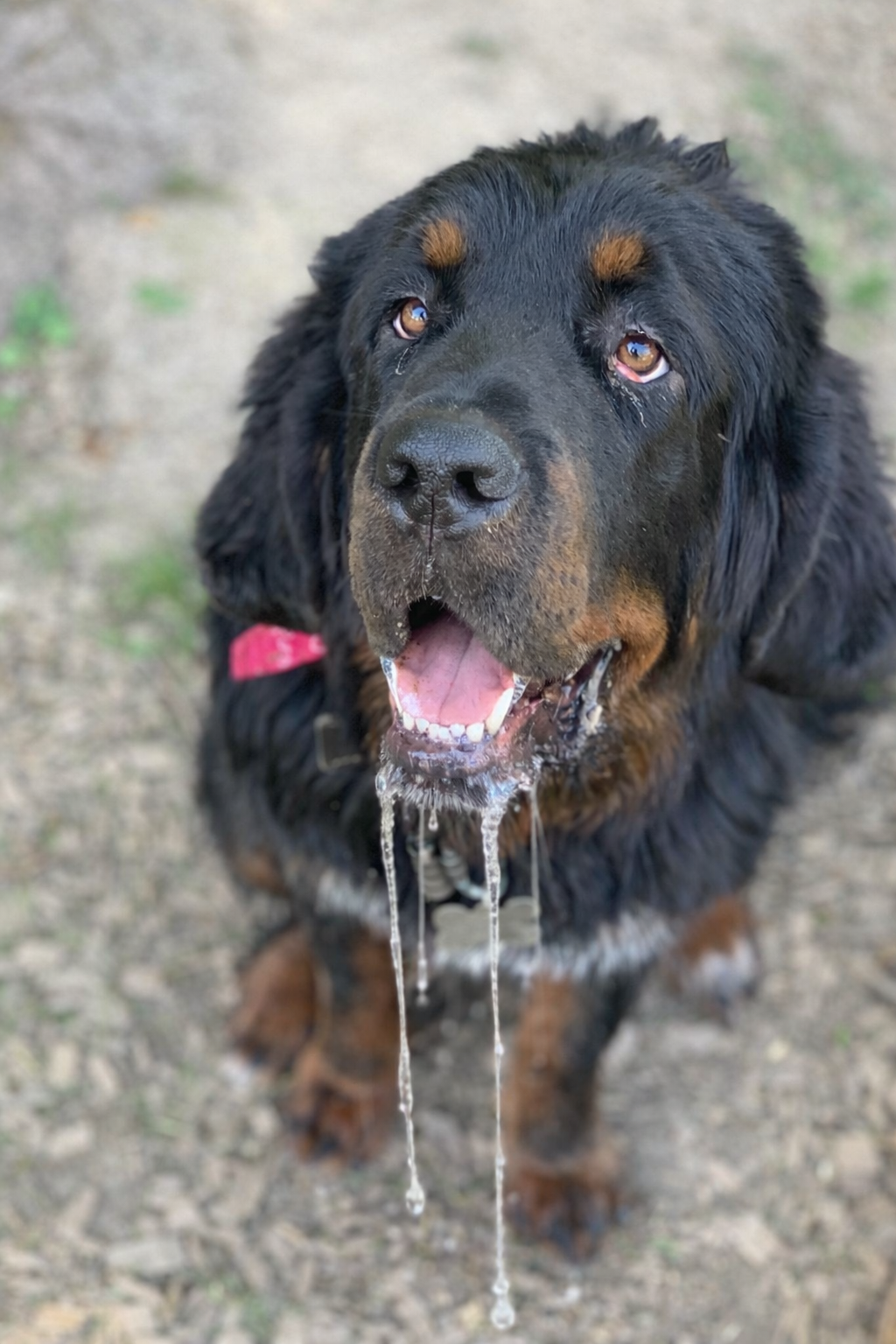
You’ve probably heard the saying, “A dog’s mouth is cleaner than a human’s.” It’s a popular belief, and one that many dog lovers happily repeat after a slobbery kiss from their pup. But how true is it really?
The short answer: your dog’s mouth isn’t cleaner than yours, but it isn’t as scary as it’s often made out to be either. Understanding what’s actually going on in your dog’s mouth can help you make better decisions about their health, hygiene, and daily care.
What’s Actually in a Dog’s Mouth?
Just like humans, dogs have bacteria in their mouths. In fact, they have hundreds of different types. The key difference is that dogs and humans host different kinds of bacteria. While many of these bacteria are harmless to dogs, some are not compatible with human immune systems.
Dogs explore the world with their mouths. They lick themselves, chew on toys, pick things up off the ground, and sometimes snack on things we’d rather not think about. All of this contributes to the bacterial mix in their mouths.
That doesn’t mean every dog kiss is dangerous, but it does mean the idea that their mouths are “clean” is a myth.
Is a Dog’s Mouth Dirtier Than a Human’s?
Not necessarily dirtier, just different.
Human mouths tend to have more bacteria associated with cavities and gum disease. Dog mouths, on the other hand, contain bacteria better suited to breaking down raw materials, bones, and animal proteins.
Problems arise when bacteria are introduced to places they don’t belong. For example, allowing dogs to lick open wounds, faces, or mouths can increase the risk of infection, especially for young children, elderly individuals, or people with weakened immune systems.
Dental Health Matters More Than You Think
A dog’s oral health is closely tied to their overall health. When dental care is neglected, plaque and tartar build up quickly, leading to gum inflammation, tooth decay, and periodontal disease. In fact, most dogs show signs of dental disease by the age of three.
Left untreated, oral bacteria can enter the bloodstream and affect major organs like the heart, liver, and kidneys. Bad breath isn’t just unpleasant, it’s often one of the first signs that something more serious is happening.
Signs Your Dog’s Mouth Needs Attention
Some common signs of poor oral health include:
- Persistent bad breath
- Red, swollen, or bleeding gums
- Yellow or brown buildup on teeth
- Dropping food or chewing on one side
- Pawing at the mouth or face
If you notice any of these signs, a veterinary dental exam is strongly recommended.
How to Keep Your Dog’s Mouth Healthy
While your dog’s mouth will never be sterile, good dental care can significantly reduce harmful bacteria and keep their mouth healthy.
Regular tooth brushing with dog-safe toothpaste is one of the most effective tools. Dental chews, toys designed to reduce plaque, and quality diets can also help support oral health. Routine veterinary cleanings are important, especially for dogs prone to dental disease.
Just as importantly, daily observation matters. Getting comfortable checking your dog’s mouth helps you catch changes early, before they become painful or costly problems.
So… Are Dog Kisses Safe?
For most healthy adults, an occasional dog kiss isn’t a big deal. However, it’s best to avoid letting dogs lick faces, mouths, or open skin, especially if there are cuts or compromised immunity involved.
Setting boundaries doesn’t reduce your bond. It simply helps keep both you and your dog healthier.
Final Thoughts
Your dog’s mouth isn’t cleaner than yours, but it isn’t something to fear either. With proper dental care, routine checkups, and healthy habits, your dog’s mouth can stay in good shape for years to come.
A healthy mouth supports a healthy dog, and that’s something every pet parent can feel good about.
Disclaimer:
This content is for informational purposes only and should not replace professional medical advice. Consult with a veterinarian or other canine health care professional if you have any concerns or questions about your pet’s health. If you rely on the information provided here, you do so solely at your own risk.


